
In international trade, the benchmark for high-quality service lies not only in acquiring new clients,
but—more importantly—in the consistent and reliable fulfilment of orders for existing ones.
Hello everyone, I’m Baichen-sunny.
Today, I’ll share three practical strategies
to help you source products from China more efficiently.
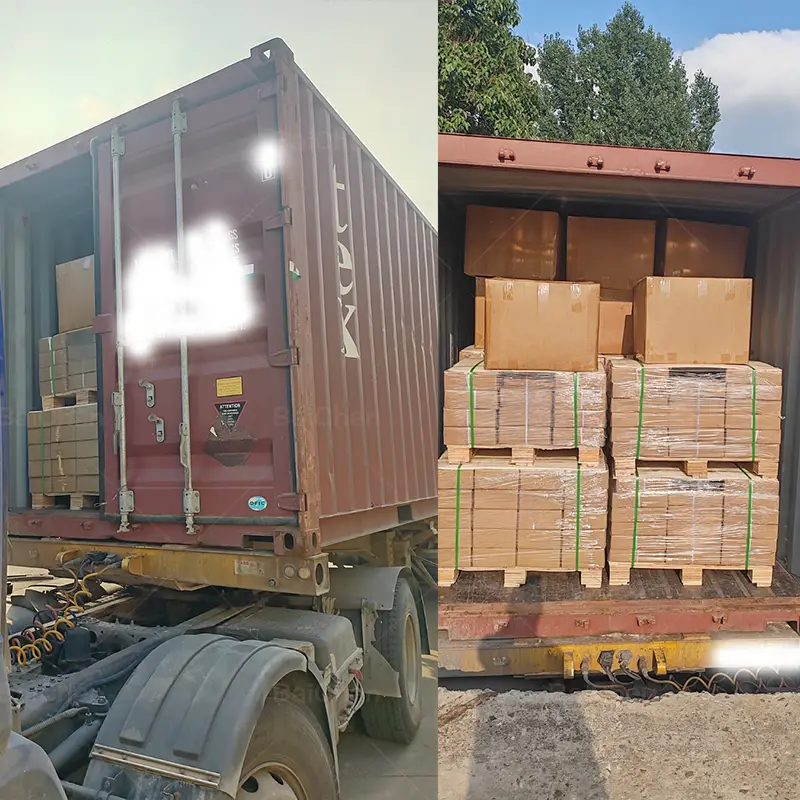
I. Assessment and Iteration of Existing Suppliers
When placing repeat orders, many overseas buyers often fall into a set way of thinking:
They assume that a factory they have worked with before no longer requires strict oversight.
However, in the current furniture hardware industry, profit margins are pitifully low—often less than 5%.
In some cases, exchange-rate fluctuations or a sharp spike in shipping costs can force a factory to lose money on an entire container shipment.
Consequently, you may find that a factory which appeared highly competitive in 2024 is now scaling back its production lines—or has even gone out of business.
Meanwhile, some newer suppliers—having upgraded their equipment and processes—now offer superior competitiveness in terms of both price and quality.
Therefore:
- Visiting existing suppliers once a year is essential.
- Every order must still undergo a standardised process and quality inspection to ensure that each batch of goods meets the required standards before shipment is arranged.
- Continuously introduce and evaluate new suppliers to expand product categories and build a second revenue growth curve.
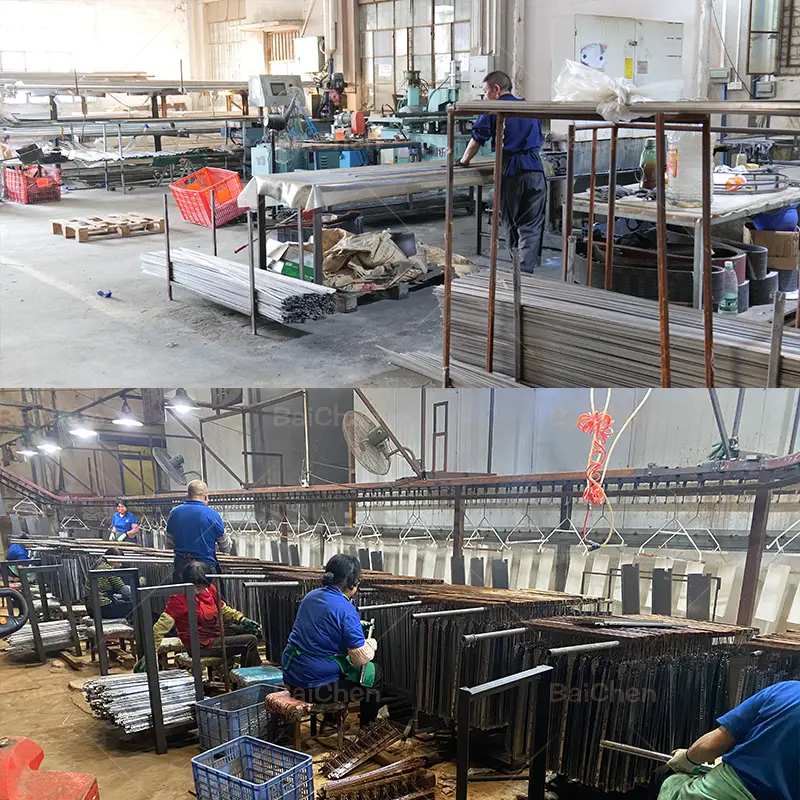
II. On-site Verification of a Supplier’s Actual Manufacturing Capabilities
A supplier’s actual production capacity is a direct determinant of the reliability of order fulfilment.
Before placing bulk production orders, it is essential to conduct a multi-dimensional assessment of the factory’s capabilities:
On-site Visits:
Verify the supplier’s actual operational status, production scale, and historical delivery track record.
Production Lines and Equipment:
Evaluate the level of automation in production machinery, the number of production lines, and the presence of quality control (QC) personnel.
Communication and Cooperation:
Assess the factory’s responsiveness regarding sample approval, delivery schedule updates, and the handling of unforeseen issues.
Production Flexibility:
Determine the factory’s ability to accommodate urgent, ad-hoc orders while simultaneously fulfilling existing commitments.
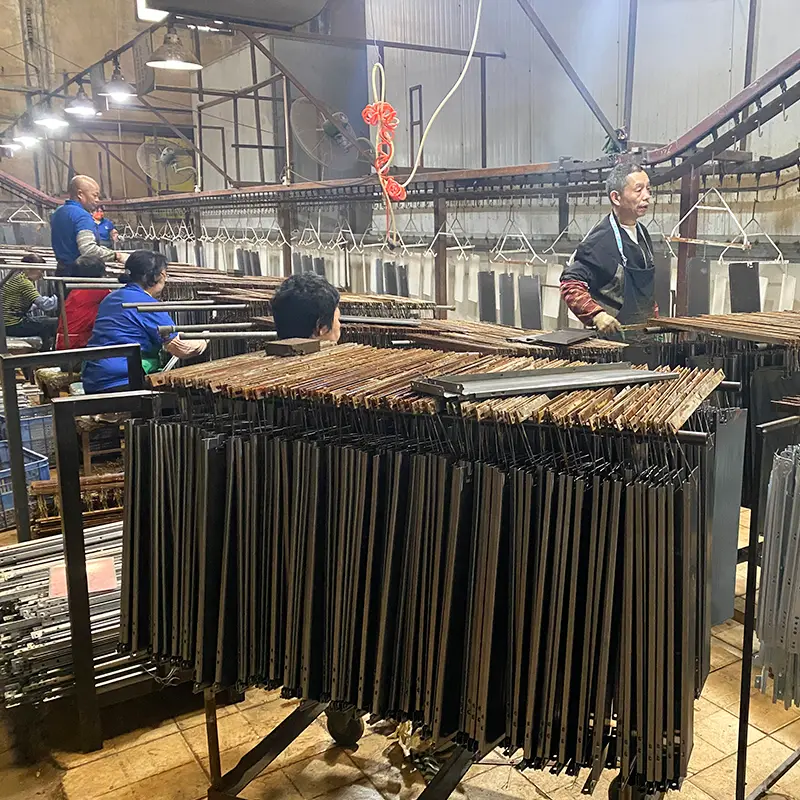
III. Differentiated Design and Brand Strategy [OEM/ODM]
Many international import companies do not merely source generic, off-the-shelf products; instead, they pursue customised branding solutions.
Once you have validated your business model through initial small-batch runs,
you can begin discussing brand strategy with your suppliers.
We provide product aesthetics and design concepts tailored to your local market, while the factory handles customised production using exclusive moulds.
This includes services such as screen printing or laser engraving your brand logo, as well as creating custom instruction manuals and retail packaging.
By developing differentiated products, you can build a “moat” around your brand—
helping you avoid the cutthroat competition of generic, mass-market goods and increasing your profit margins.
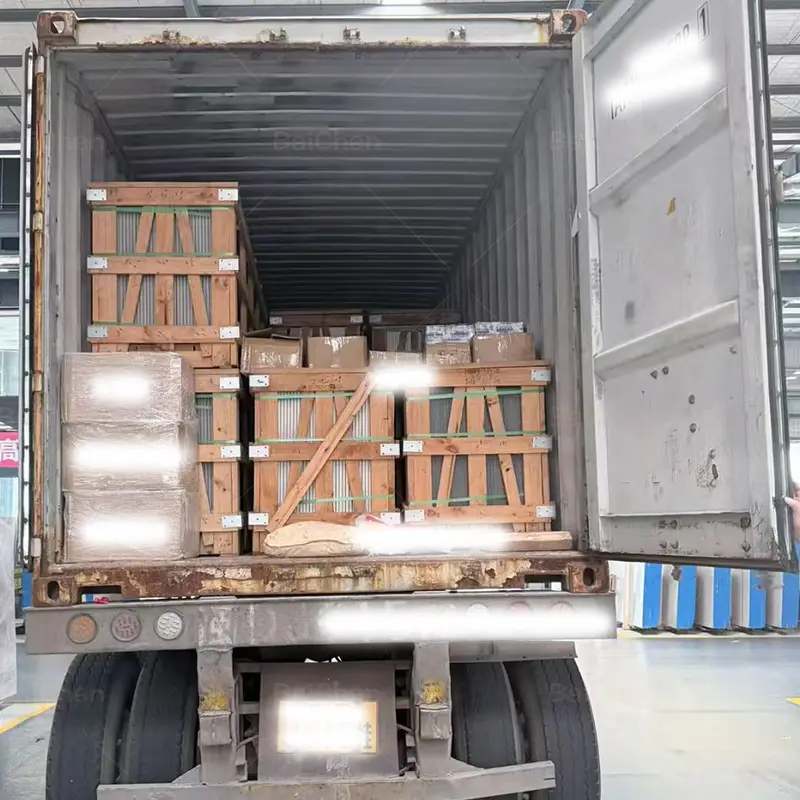
IV. Establishing a Stable Cooperation System
Selecting the right manufacturer is merely the first step in your business journey.
Maintaining your core competitive advantage, however, depends on your ability to establish a systematic supply chain management framework.
A reliable manufacturing partner does more than just deliver qualified products on time;
they provide long-term support for future product iterations, technical improvements, and business expansion.
For overseas clients unable to make frequent trips to China for on-site factory visits, partnering with Baichen offers a highly cost-effective solution.
We provide the following services:
- On-Site Factory Audits: Assisting overseas partners with on-site factory visits and direct manufacturer evaluations.
- Quality Inspection & On-Site QC: Comprehensive product quality checks and on-site factory quality control.
- Warehousing & Repackaging: Our own 15,000 m² warehouse for sorting, repackaging, and custom barcoding/labeling.
- Guangdong Supply Chain Support: Direct access to manufacturing clusters, negotiating custom packaging, OEM branding, and logo printing.
- Customs & Logistics Coordination: End-to-end export clearance, customs handling, and international freight forwarding.
I’m Sunny. In my next post, I’ll share:
“How to source daily consumer goods from China cost-effectively?“
See you next time!
Bye Bye! ~V~~V~