
When overseas buyers search for suppliers on Alibaba, they are fundamentally concerned about five key issues:
- Non-delivery after payment: The supplier fails to ship the goods after receiving payment.
- Lack of communication/support: When issues arise, they cannot reach anyone; there is no one to respond to or resolve their problems.
- Unstable delivery capabilities: The supplier appears to be a legitimate factory, but their actual delivery performance is inconsistent.
- Inexperience with international trade: First-time buyers on the platform lack experience in foreign trade imports and are unsure how to handle logistics, customs clearance, and other related issues.
- Discrepancies between goods and samples: The delivered goods do not match the samples, resulting in excessively high after-sales costs.
Hello everyone, I’m Bill.
Today, I’ve compiled a comprehensive guide addressing the common issues encountered on Alibaba to provide you with a useful reference!
As the world’s largest B2B trading platform, Alibaba.com boasts over 150 million registered members and tens of millions of suppliers.
However, for professional B2B buyers, the real challenge lies not in “finding products.”
Rather, it lies in identifying—from this massive pool of data—that select 1% of strategic partners who truly align with your business needs, offer stability, and pose minimal risk.
According to industry surveys, over 60% of failed cross-border procurement attempts stem from “information asymmetry” and a “lack of a systematic supplier evaluation framework.”
Drawing upon over 10 years of procurement experience, Bill has distilled the 10 core criteria for efficient and secure sourcing on Alibaba to help you establish a robust global supply chain.
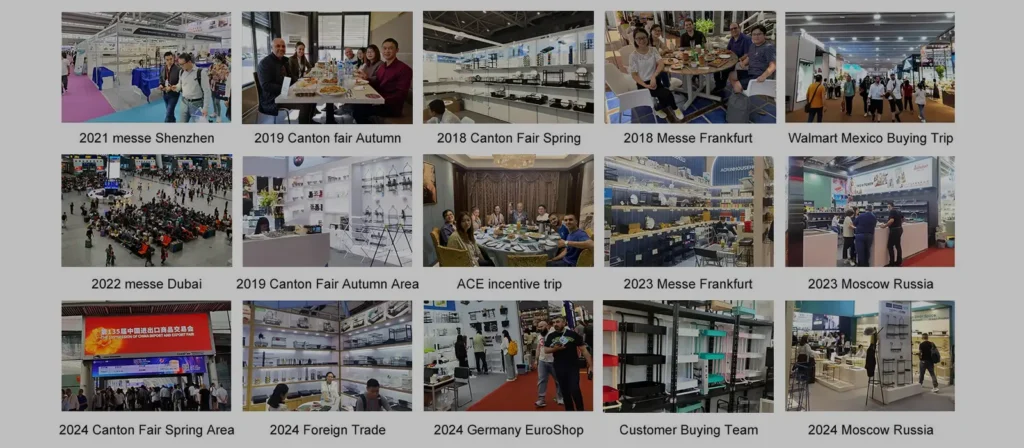
A. Establish a Five-Dimensional Evaluation Framework [QDCST]
On Alibaba, designations such as “Gold Supplier” or “Verified Supplier” merely indicate that a vendor has paid their membership fees and met certain basic entry-level thresholds.
They do *not* equate to a guarantee that the supplier’s delivery capabilities are a perfect match for your specific project requirements.
A mature B2B procurement decision should be grounded in the following five dimensions [QDCST]:
- Quality (Q): Look beyond mere random inspection pass rates; focus instead on whether the supplier possesses a *comprehensive, controllable process management system*
- (such as ISO9001 or IATF16949). Pay particular attention to their IQC (Incoming Quality Control) reports from the past 12 months.
- Delivery (D): Assess their *production capacity utilization rate*. The ideal range is between 70% and 80%; if it exceeds 90%, it implies that their capacity to accommodate sudden or urgent orders is extremely limited.
- Cost (C): Focus on *TCO (Total Cost of Ownership)*.
- Service (S): Assess their proactiveness in resolving issues. Exceptional suppliers provide early risk warnings before problems arise (e.g., spikes in ocean freight rates, fluctuations in raw material prices, etc.).
- Technology (T): R&D Investment Ratio. For manufacturing suppliers, R&D investment should constitute no less than 5% of their total expenditure.
B. Be Alert: 6 “Red Flags” to Identify and Eliminate Risky Suppliers
1. Extremely Delayed Communication Response [Exceeding 48 Hours]
During standard business hours, a sales representative should ideally respond within 1–2 hours.
A slow response implies that the supplier is either overwhelmed with orders and cannot attend to you, or simply does not value your business.
This carries a very high risk of subsequent delivery delays.
2. Refusal to Send Samples or Exorbitant Sample Fees
Refusing to send samples, or charging excessively high fees for samples of “standard stock items.”
This typically reveals that the supplier lacks confidence in their product quality or possesses no actual manufacturing capabilities.
Unless the item is a custom-made product, a refusal to send samples is a clear indication of a lack of sincerity.
3. Ambiguous Quotations [PI] Lacking Specific Specifications and Details
If a quotation [PI] lists only the price while omitting details such as material composition, specifications, weight/density, and packaging specifics:
Such a quotation makes it highly likely that issues—such as cutting corners on materials or engaging in disputes—will arise later in the process.
4. Unrealistic Delivery Timelines & Exceptionally Low Prices
Promising to complete a bulk order within just 3 days, or setting a Minimum Order Quantity (MOQ) far below industry standards while offering extremely low prices:
These tactics are typically employed solely to entice buyers to place an order for a specific product listing (SKU).
Upon actual communication, various issues inevitably surface—such as increased MOQs, poor material quality, or even sudden price hikes justified by claims of rising raw material costs.
Pro Tip: Unless the supplier has existing stock on hand, a standard production cycle—encompassing sampling, production scheduling (grinding, polishing, powder coating/plating, assembly, packaging, etc.), and quality control—simply cannot be completed within a mere 3 days.
5. Discrepancies Between Qualification Documents and Actual Information
Operating address located within a residential complex (businesses situated in residential buildings are often merely “shell companies” or unlicensed small workshops, characterized by highly unstable quality and supply reliability);
Registered business address listed in Guangzhou, yet the physical operating address is in Zhejiang;
Registered capital is less than 100,000 RMB, yet the company claims to be capable of handling large-scale bulk orders and possessing various export qualifications (such entities often lack the financial capacity to bear the risks associated with fulfilling large contracts).
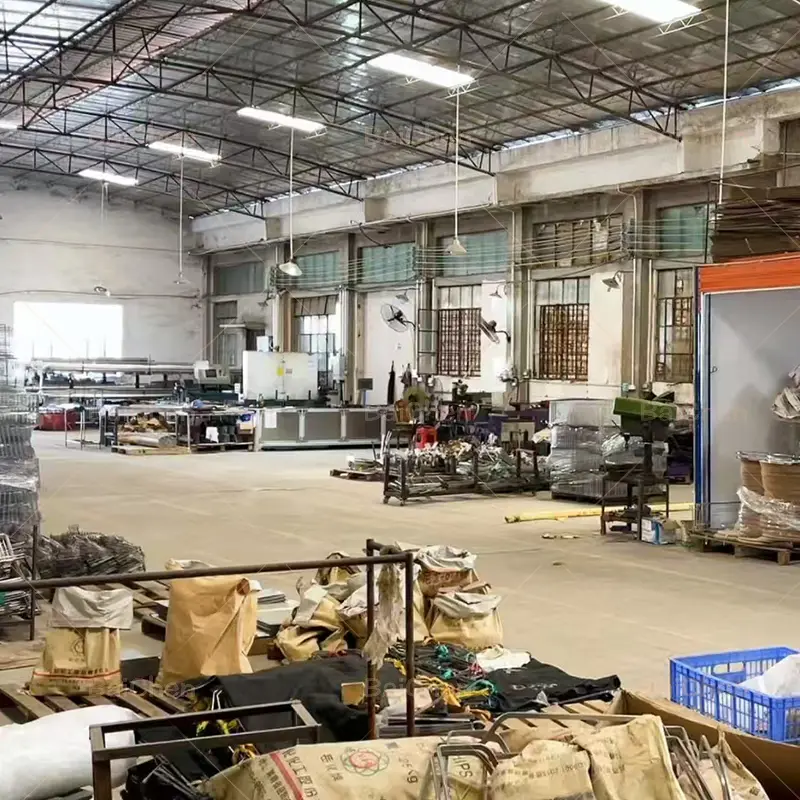
6. Refusal to Sign Official Contracts or Conduct Video Factory Tours
Refusing to conduct a factory tour via video call, or objecting to third-party quality inspections, constitutes a major red flag.
This suggests that the actual condition of their factory is substandard, or that they are merely an outsourcing intermediary rather than a direct manufacturer.
Furthermore, if they insist on receiving payments via a personal account and refuse to sign a formal procurement contract, it is advisable to terminate the partnership [as this carries a very high risk of “receiving payment but failing to ship goods”].
Pro Tip: Key details to look out for during a video factory tour
- Scale of the production workshop (facility size, number of machines, and workforce size)
- Inventory status (stock levels in the raw materials, semi-finished goods, and finished goods areas)
- Quality inspection procedures (specifically, the presence of a dedicated quality inspection area and specialized equipment)
C. Vetting Reliable Suppliers Through Samples and Test Orders
When sourcing goods on Alibaba—particularly when you are unable to definitively assess a supplier’s reliability or verify the quality of their products—
You can employ samples or small-batch test orders as a screening method. [Ask plenty of questions and maintain open communication.]
1. Thoroughly discuss your product specifications, shipping costs, packaging requirements, and any other details or considerations that come to mind.
2. During the sampling process, observe whether they can quickly grasp your requirements and complete the sample within the agreed timeframe—[(specifically, the “sealed sample” must remain *identical* to the final bulk order; otherwise, you should refuse to pay the final balance)].
3. Placing a trial order allows you to gain a comprehensive, end-to-end experience of the entire procurement process from China.
[If a supplier is unwilling to engage in in-depth communication with you right from the start, do not expect them to improve their attitude or performance in future collaborations.]
During this period, you are likely to encounter unexpected issues, such as product defects, substandard packaging, or shipping delays.
This is precisely the moment to test the supplier’s sense of responsibility—to see whether they actively work to resolve problems or merely attempt to shift the blame.
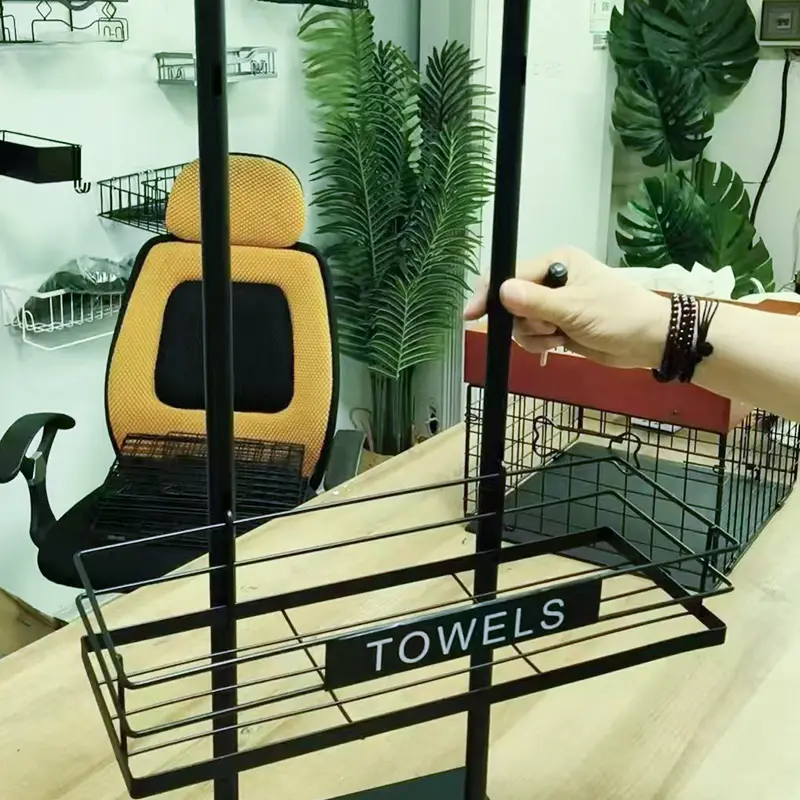
D. When placing orders on Alibaba, make effective use of “Trade Assurance” for your payments.
- For amounts under $300: We recommend using PayPal to benefit from its 180-day refund protection policy.
- For amounts over $2,000: It is mandatory to use Alibaba’s “Trade Assurance” service.
This is an escrow service provided by Alibaba [designed to protect the buyer’s interests];
The platform will only release the funds to the merchant *after* you have confirmed receipt of the goods and verified that they meet quality standards.
Should any issues arise, you can initiate a dispute, at which point Alibaba will step in to act as a neutral mediator.
Please note: Any offline payment methods offer *no* protection for your funds and leave you highly vulnerable to fraud.
Whether you are discussing payment details or communicating about product specifications, *always* use email.
These emails serve as a clear, archived written record—making them easy to reference later and providing valid supporting evidence should any disputes arise.
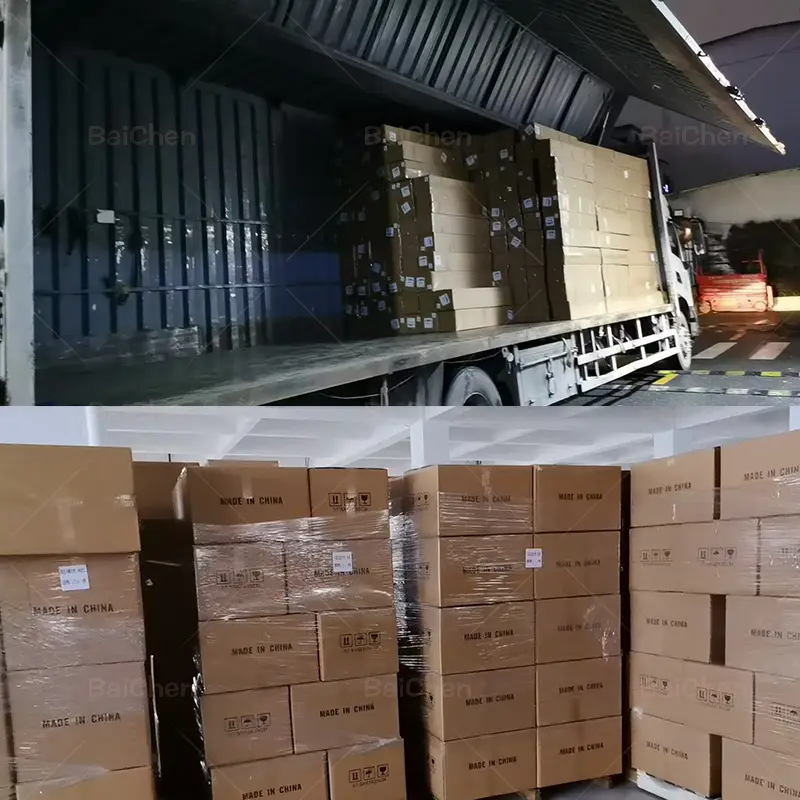
These are the four practical tips summarized by Bill, drawing upon over 10 years of experience in cross-border trade.
I hope these insights prove helpful to you! ~v~ ~v~
Friends, if you want to make the process of sourcing from China effortless and streamlined, we invite you to join Baichen!
We not only help you navigate around potential risks and pitfalls while you are still gaining experience,
but also assist you in further solidifying and optimizing your supply chain system as your business continues to grow.
See you in the next episode! Bye-bye! ~v~ ~v~